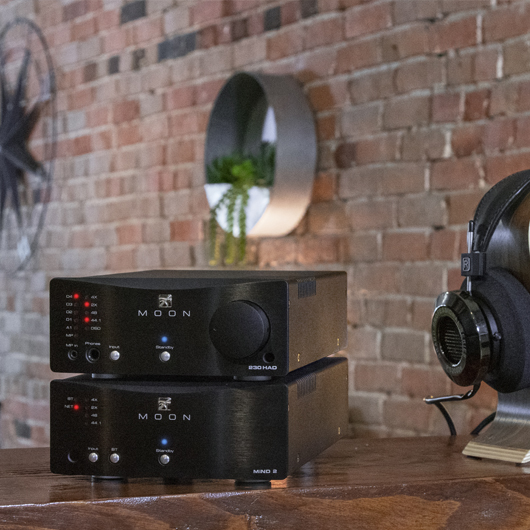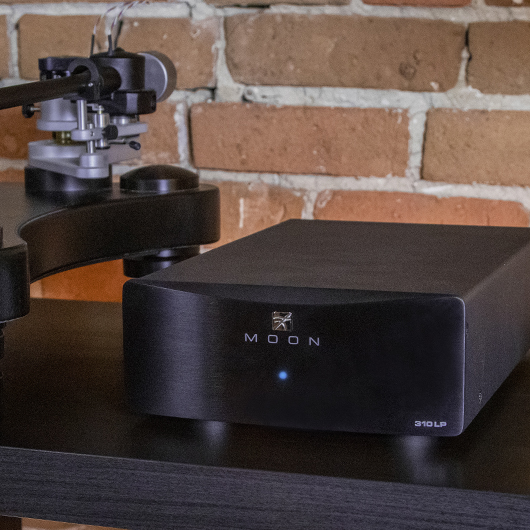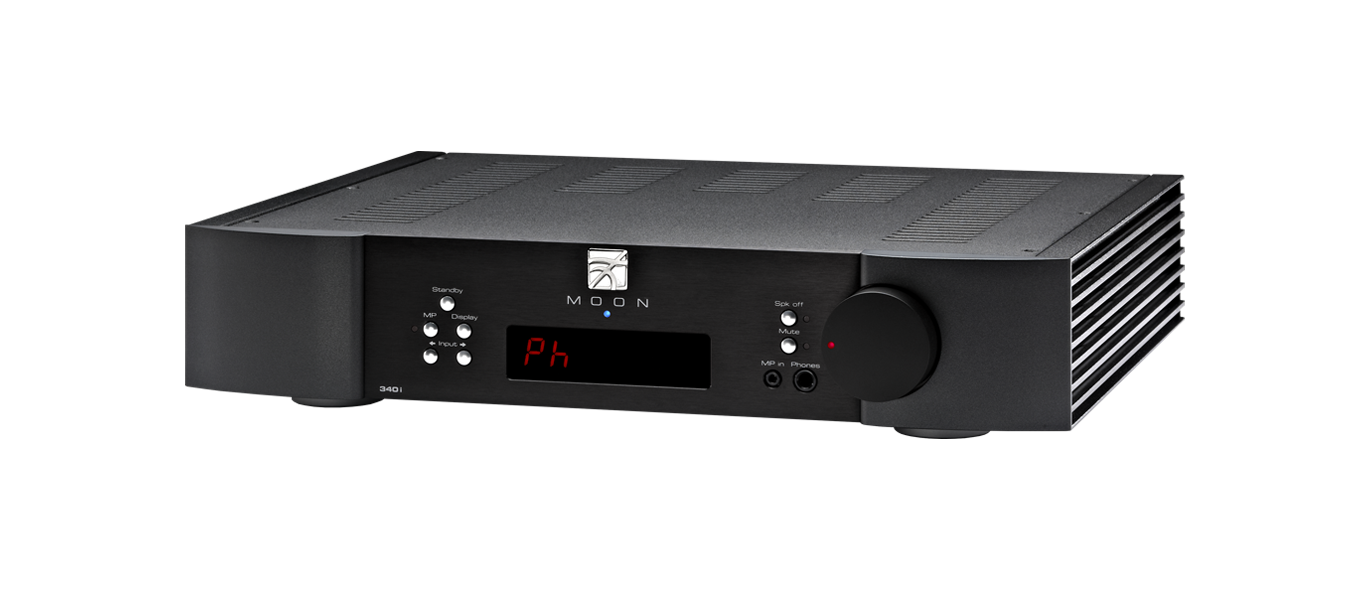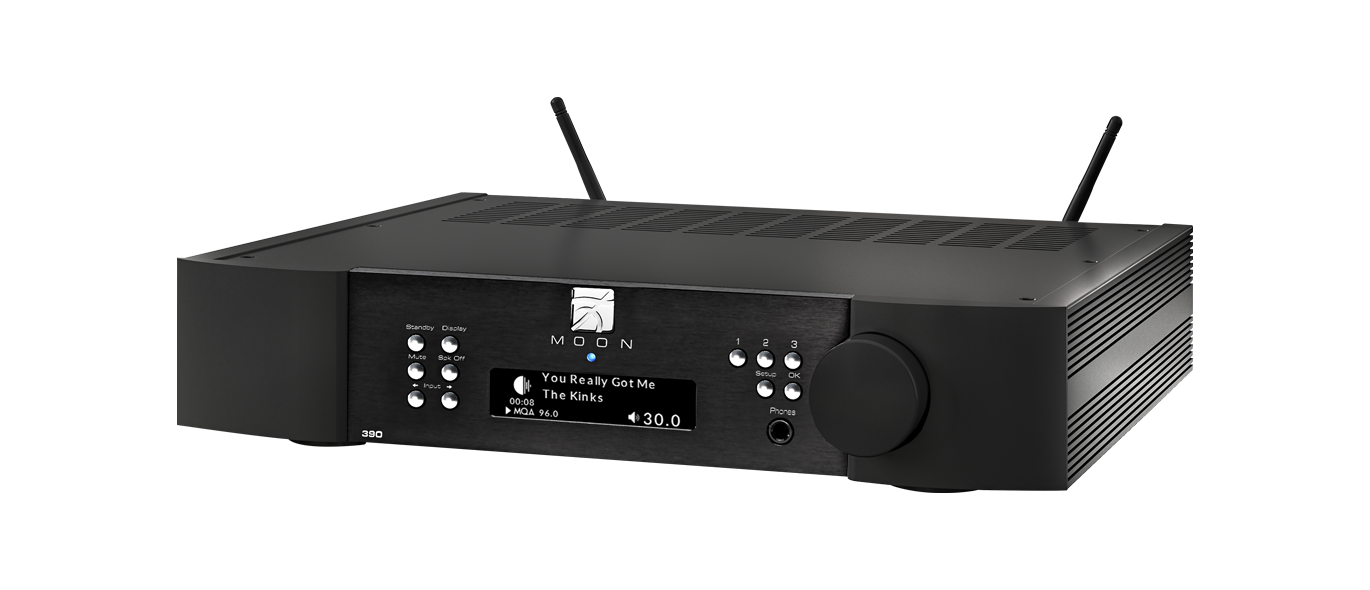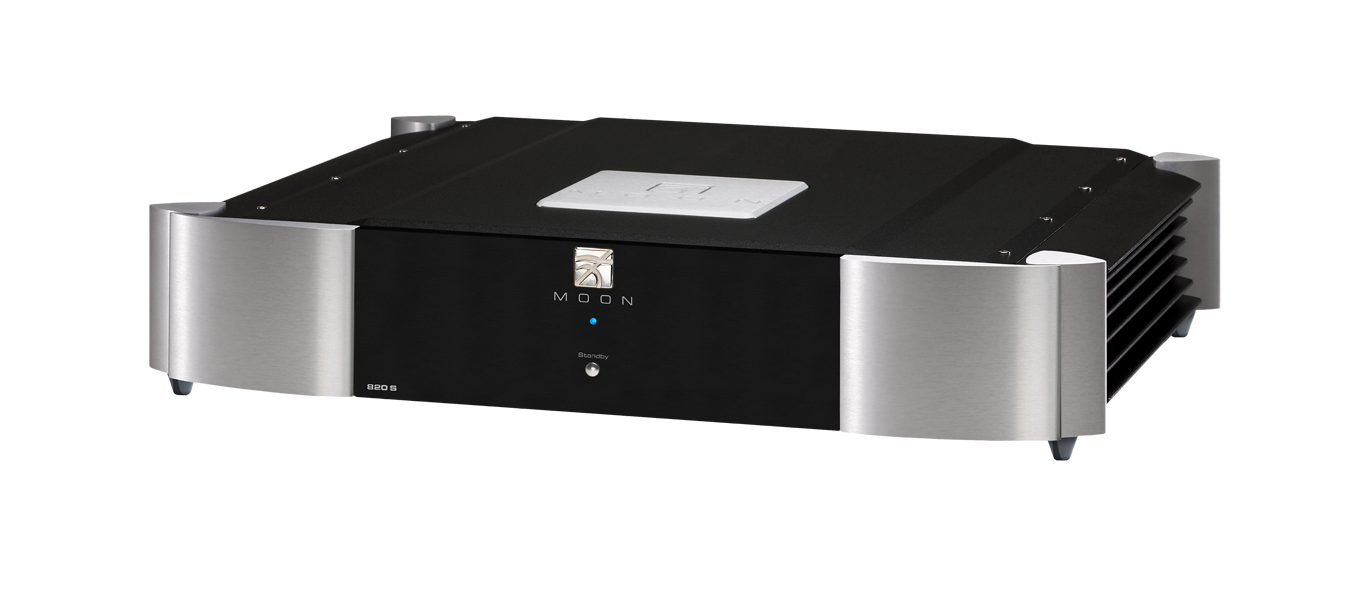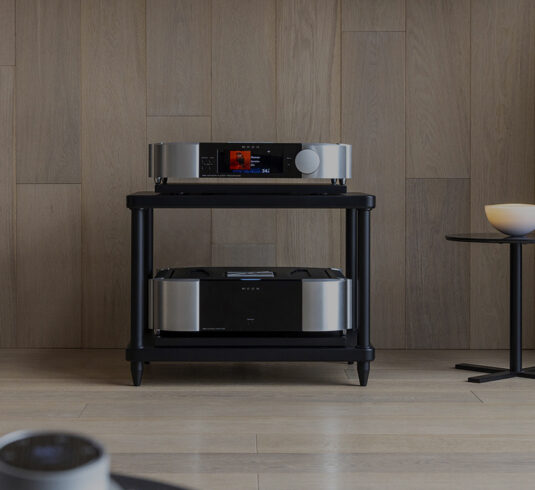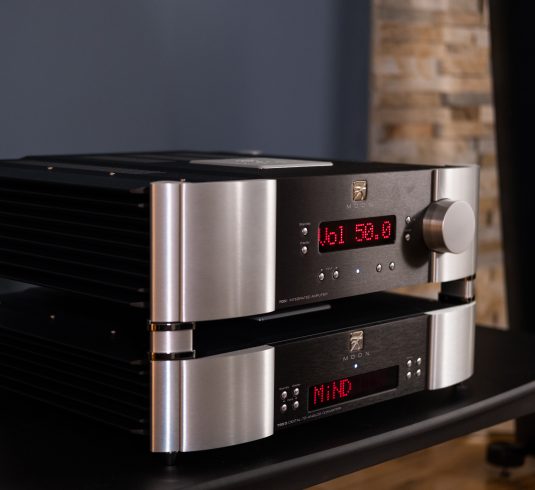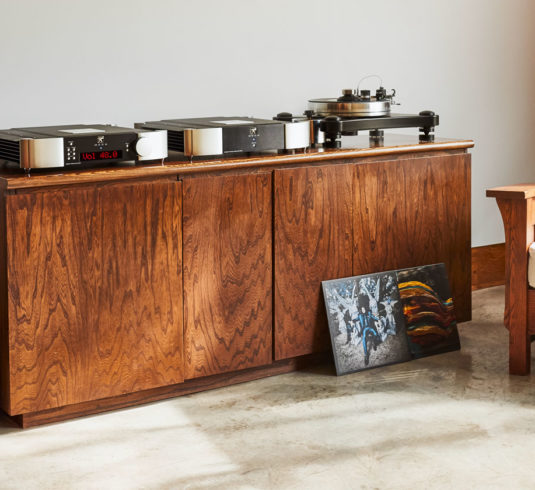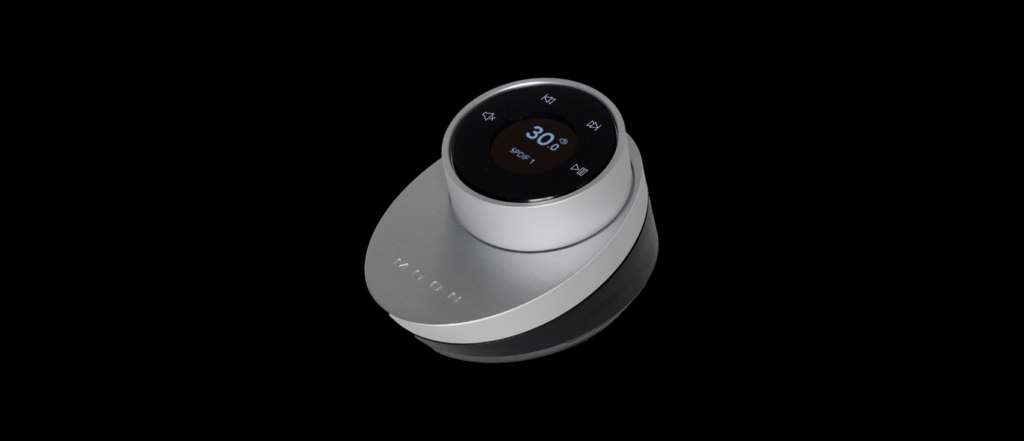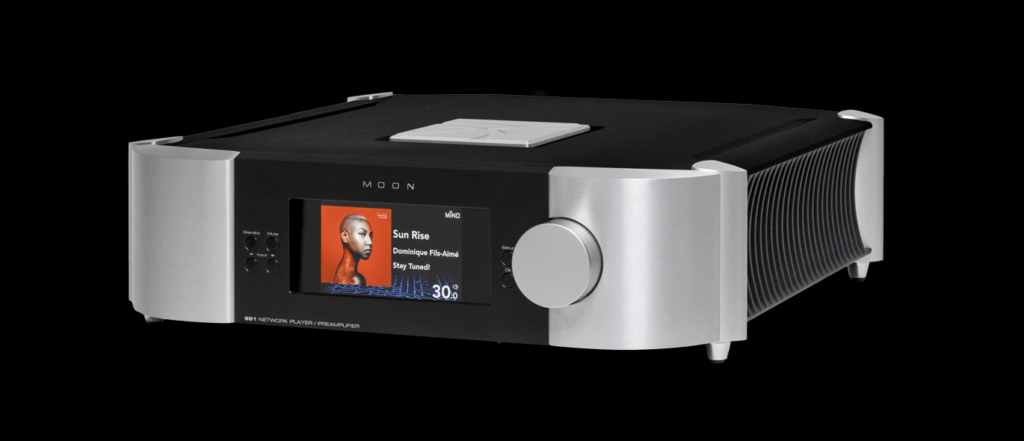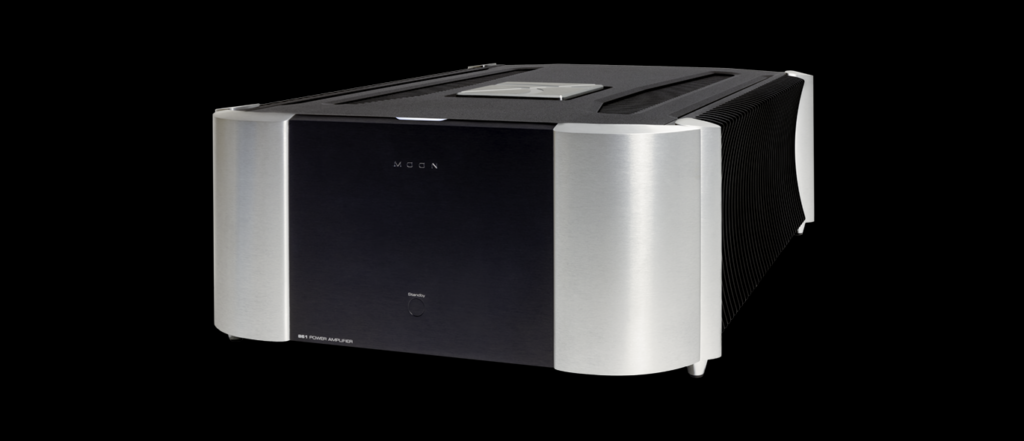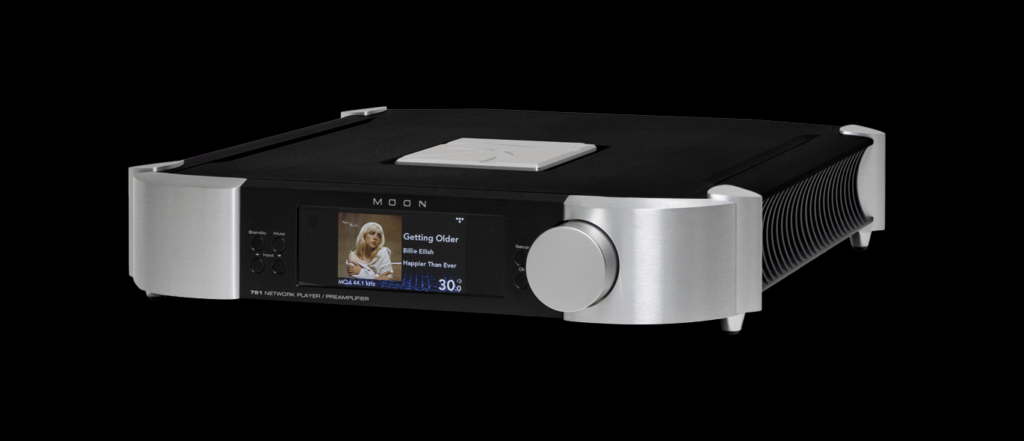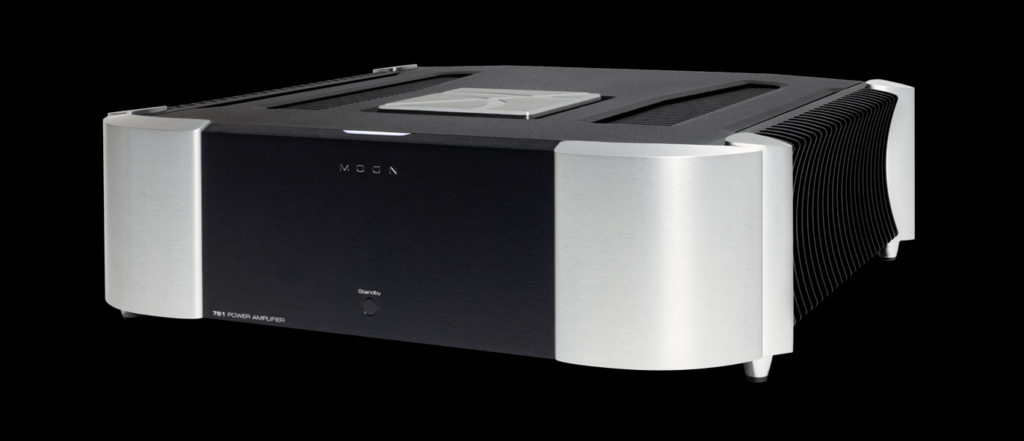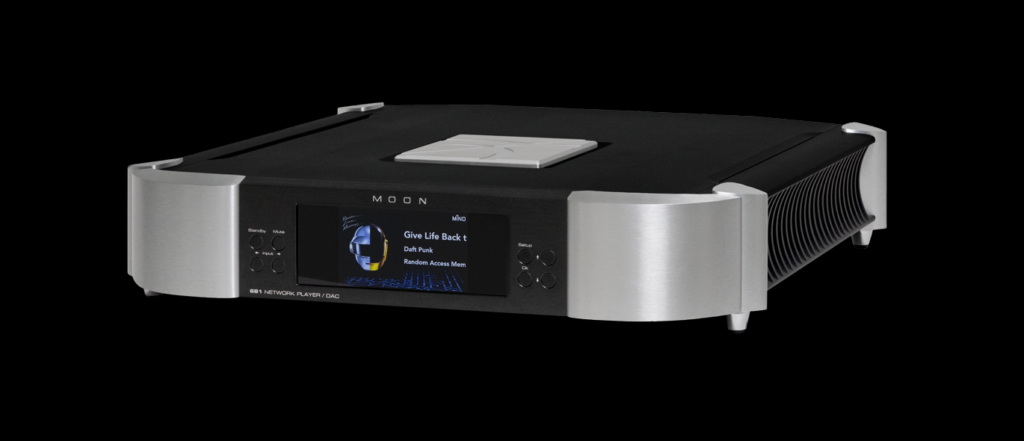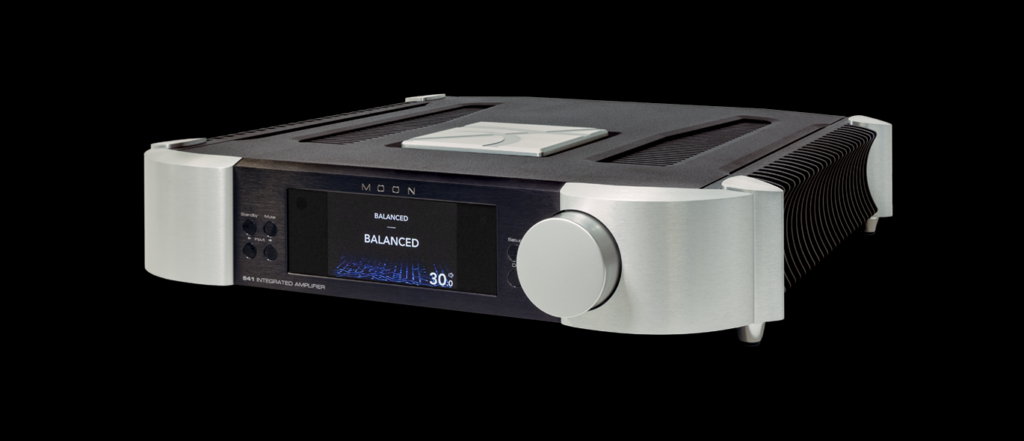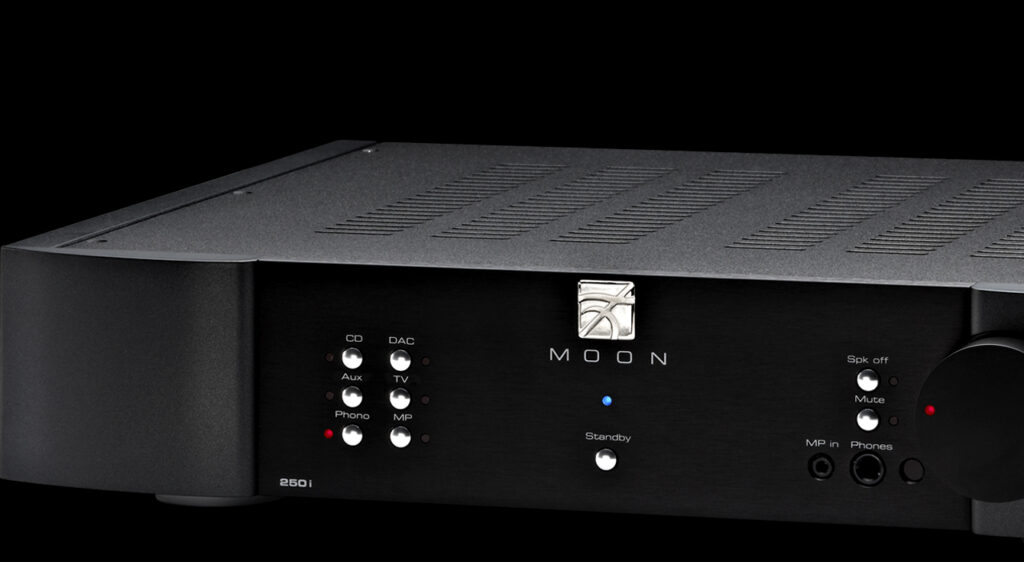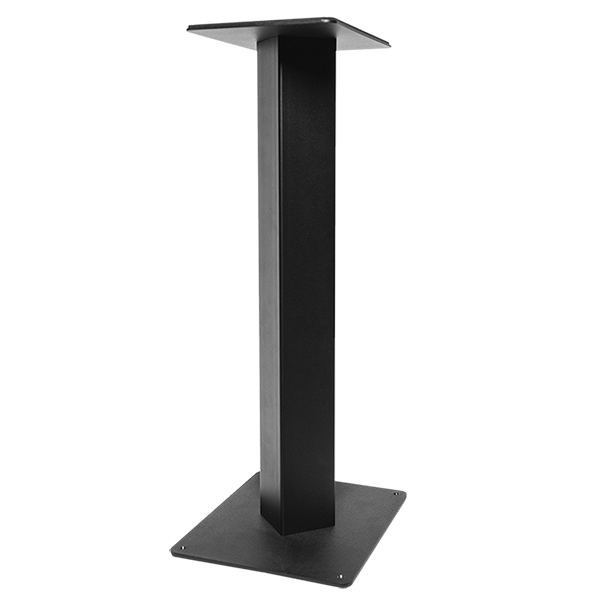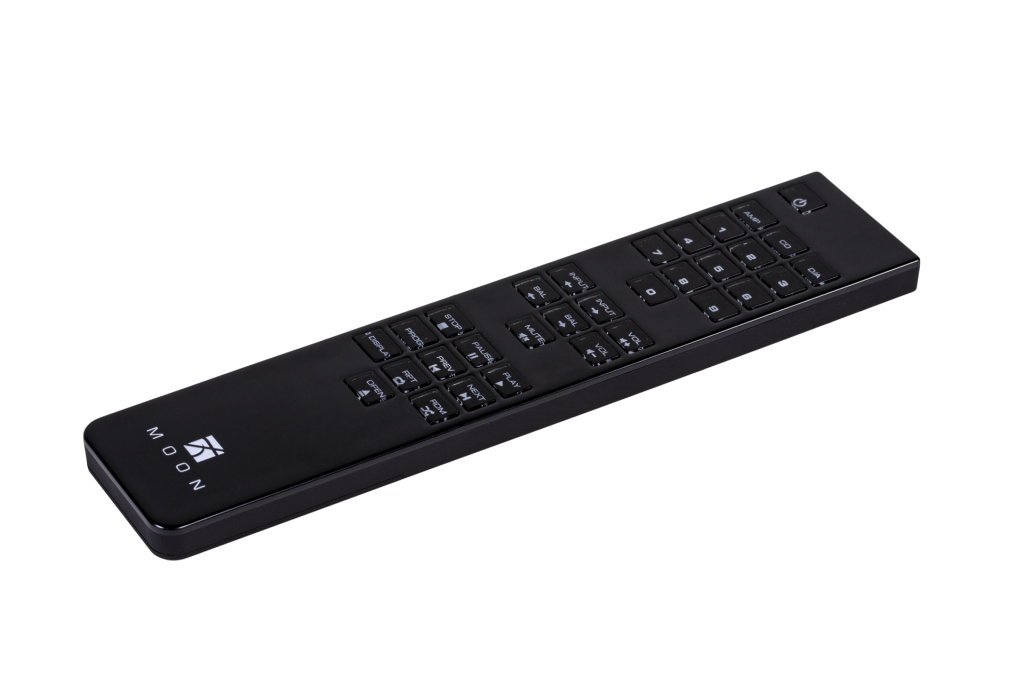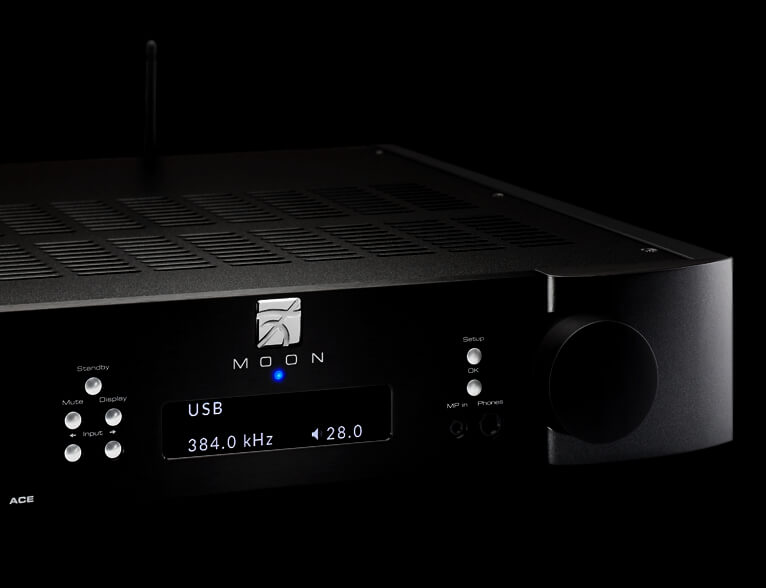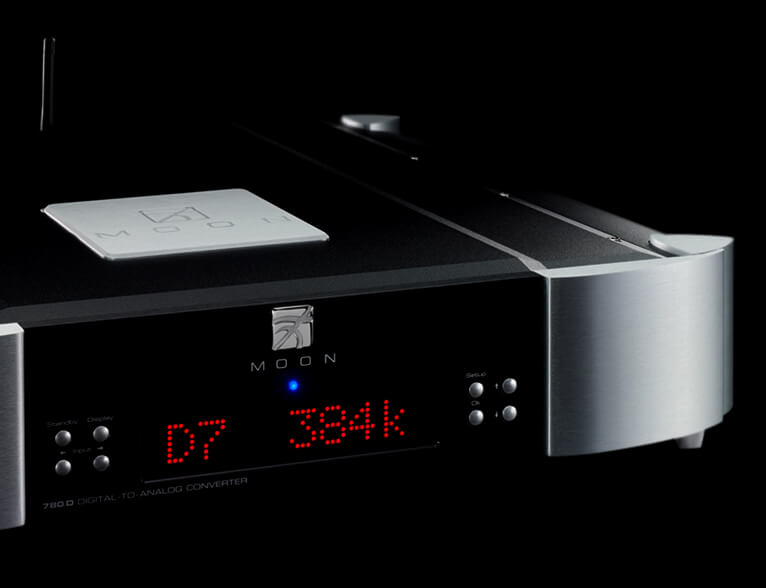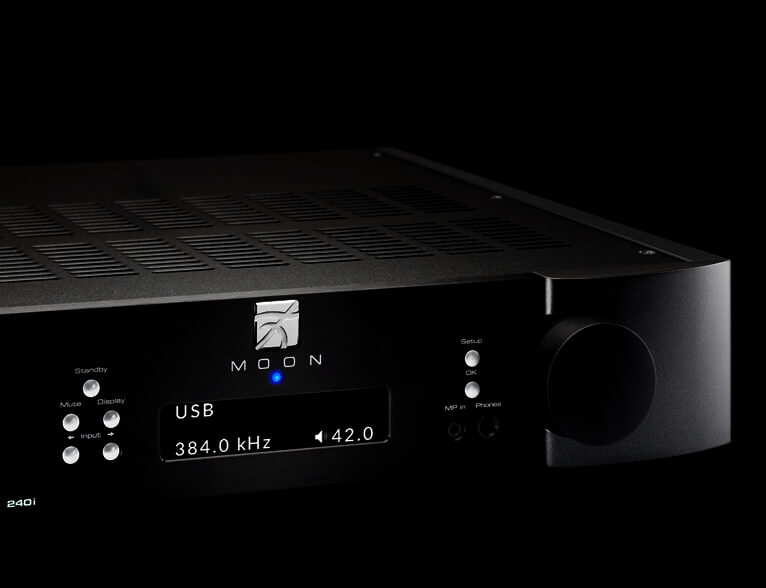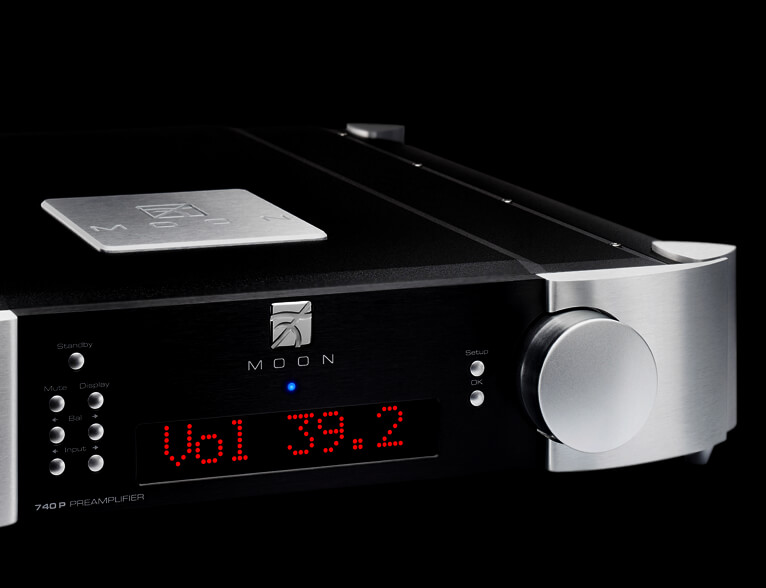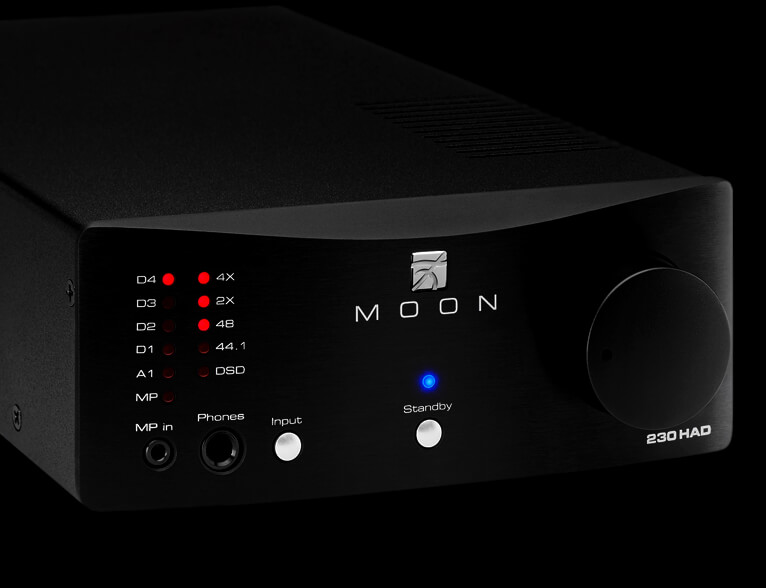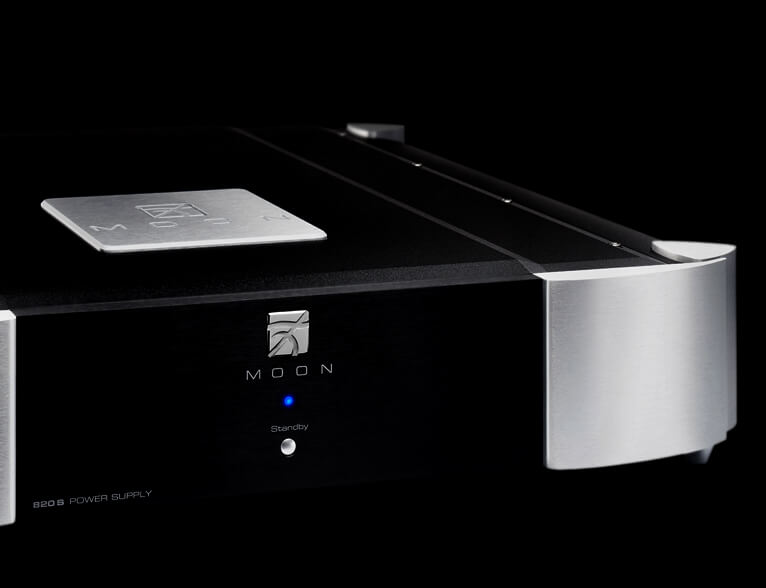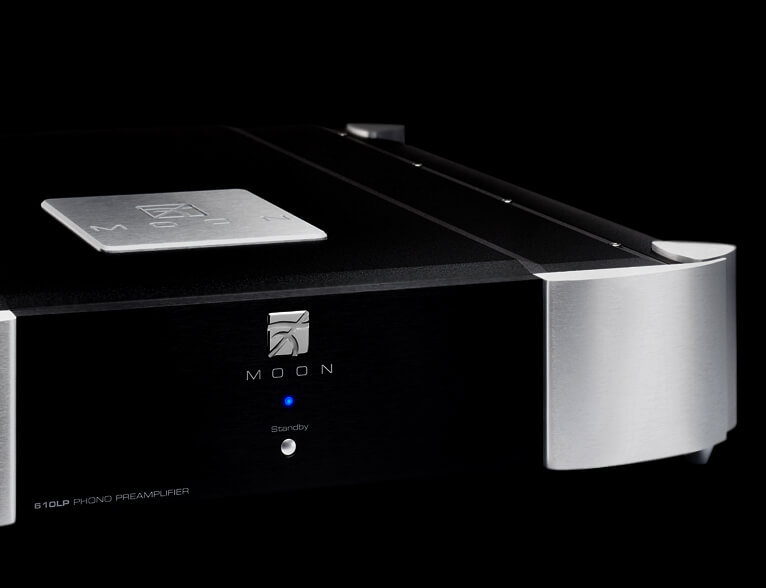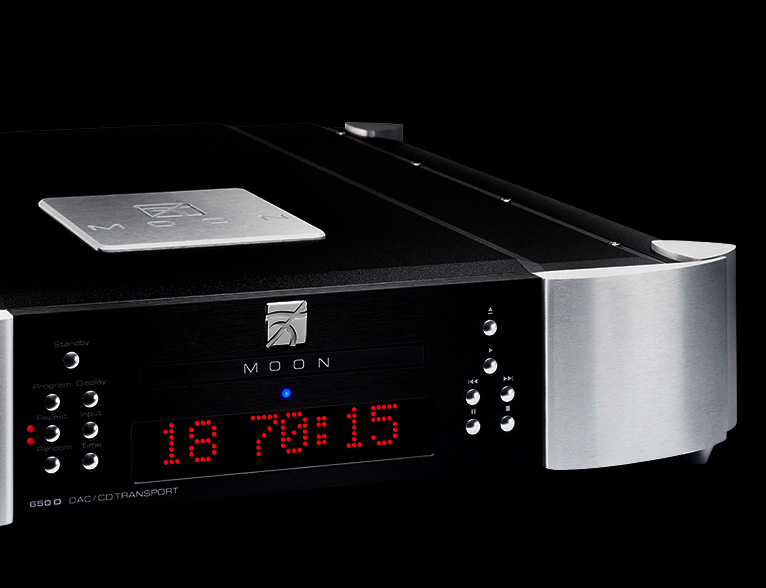


An exceptional range of sound systems and emotions.
Generate passions. Put people of all horizons, nationality and culture in tune. Vibrate at the same rate. That’s what we’ve been aiming for every day for 40 years. Giving access to sound purity, allowing intimacy with the performer, this is our way, at MOON, to bring to life striking emotions through music. MOON devices are designed with the intention that these intimate moments with the artist endure and remain authentic,
for life.

Defy obsolescence

We are the most
rewarded in the industry

That is what we have been
aiming for every day
for 40 years
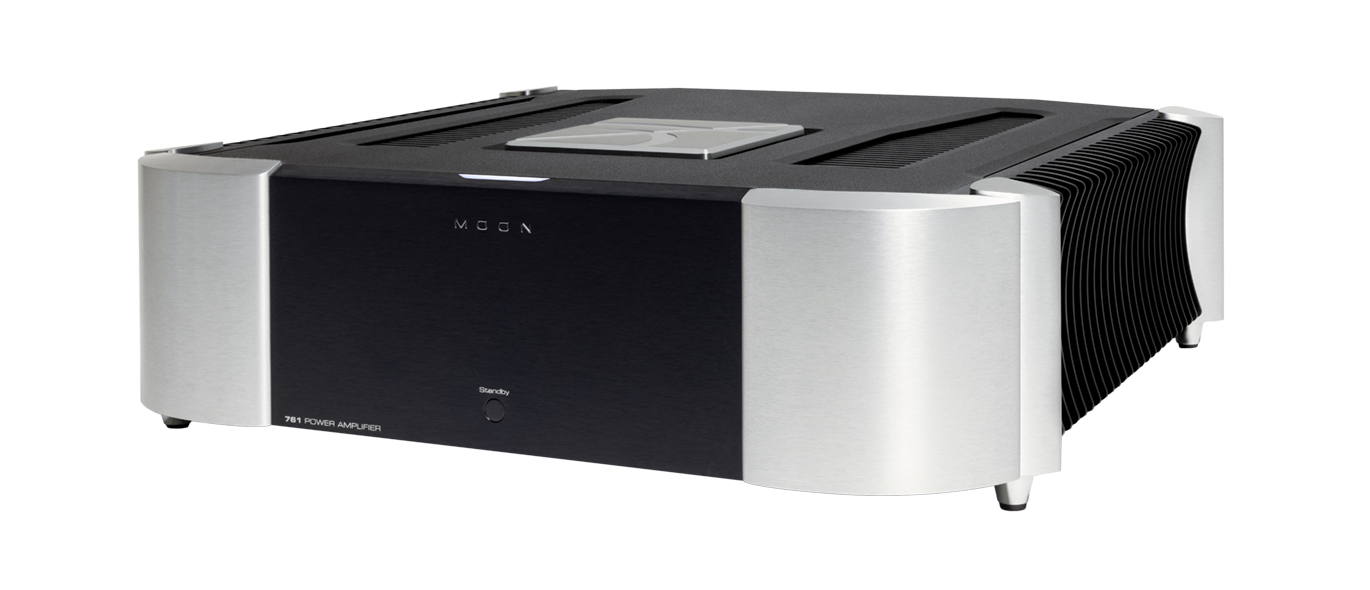
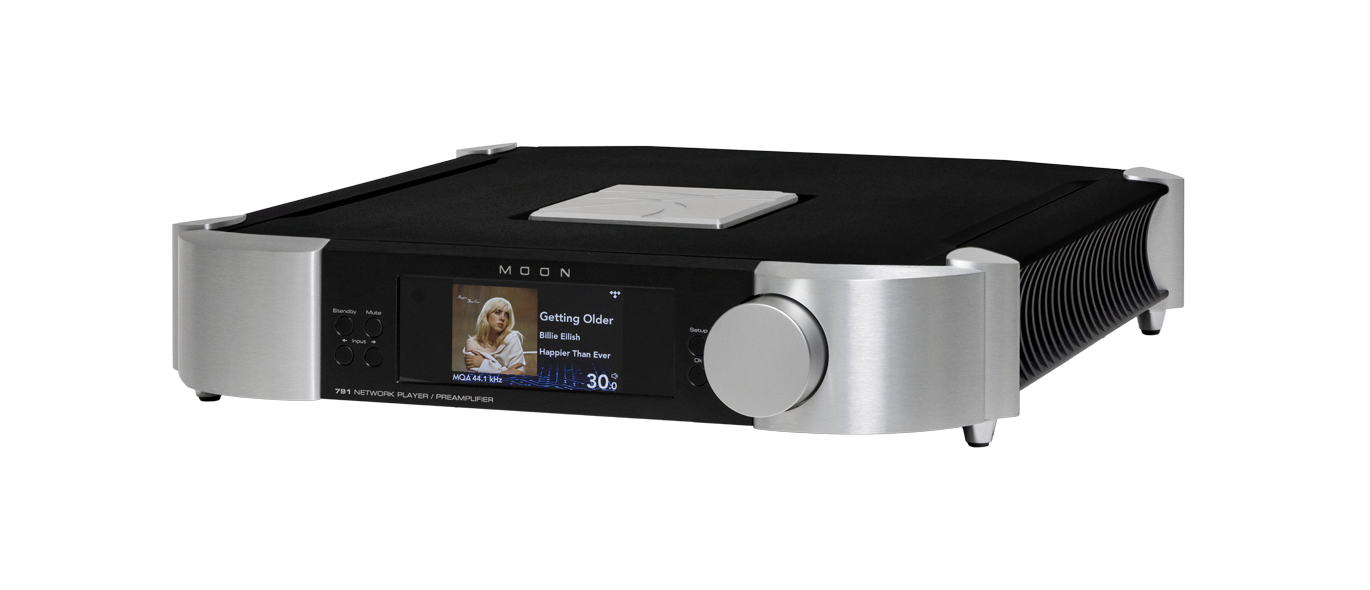
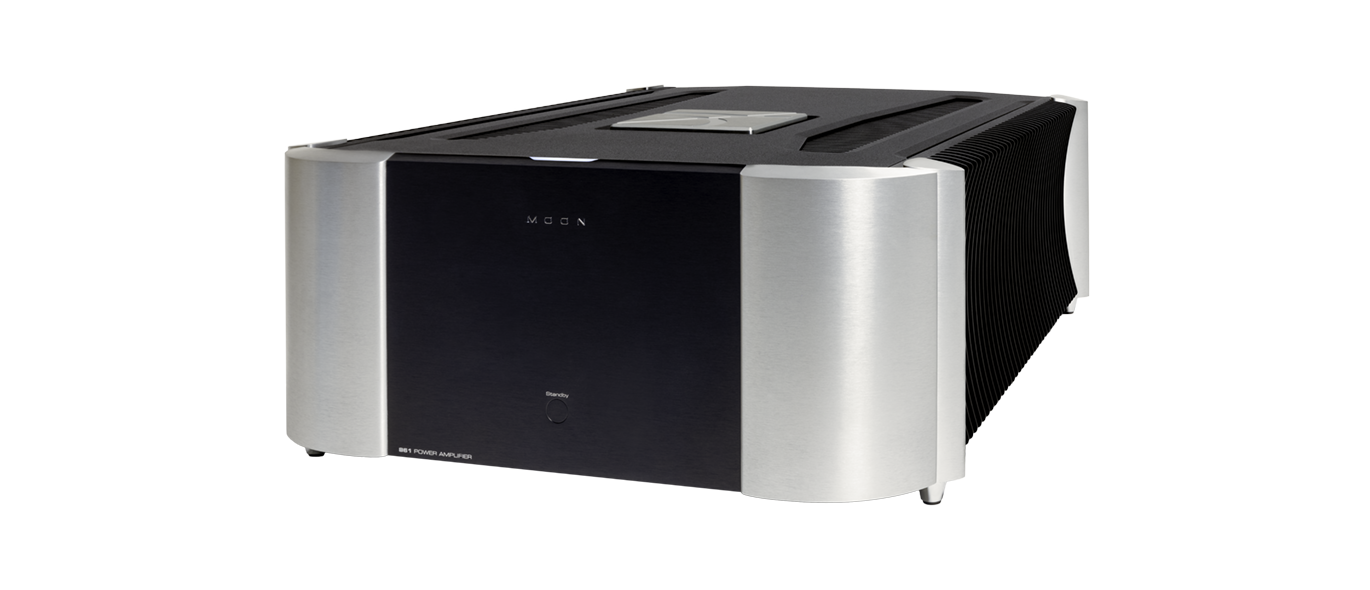
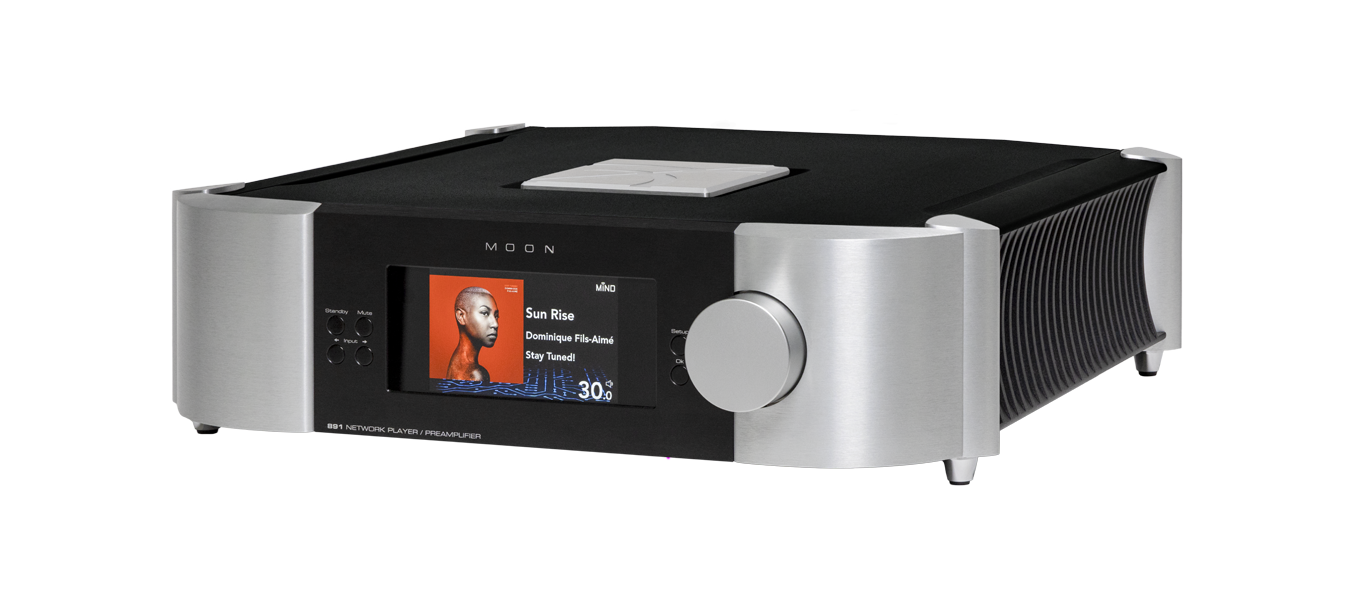
North Collection
Explore New Frontiers
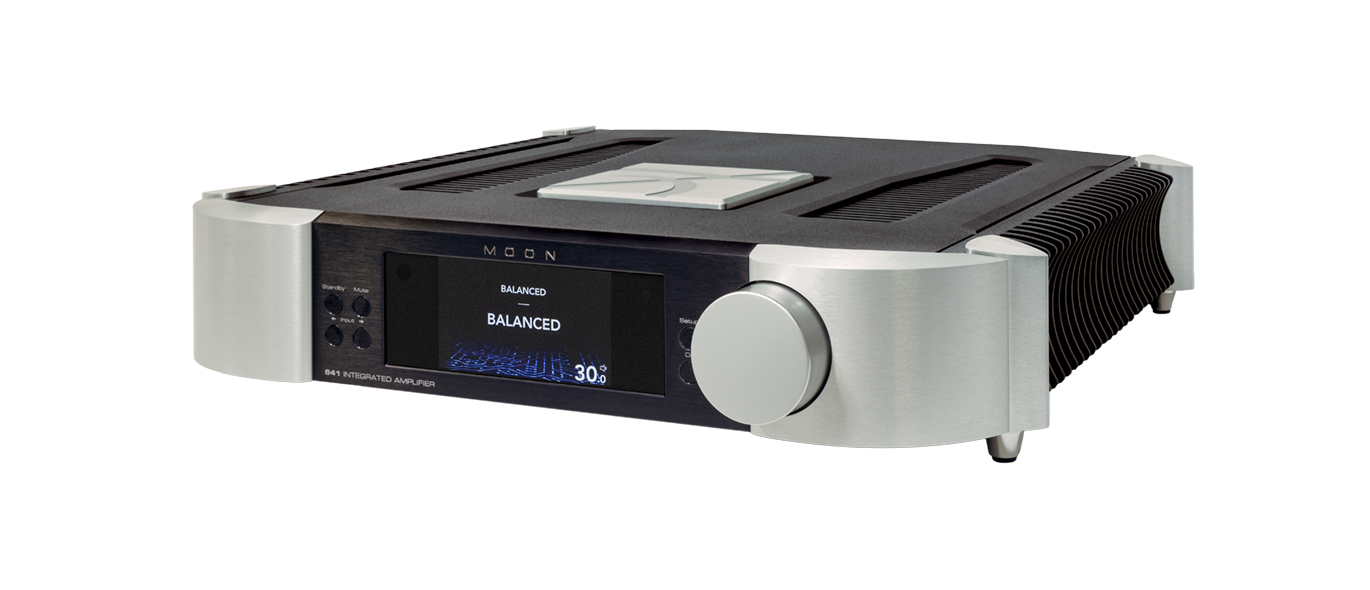
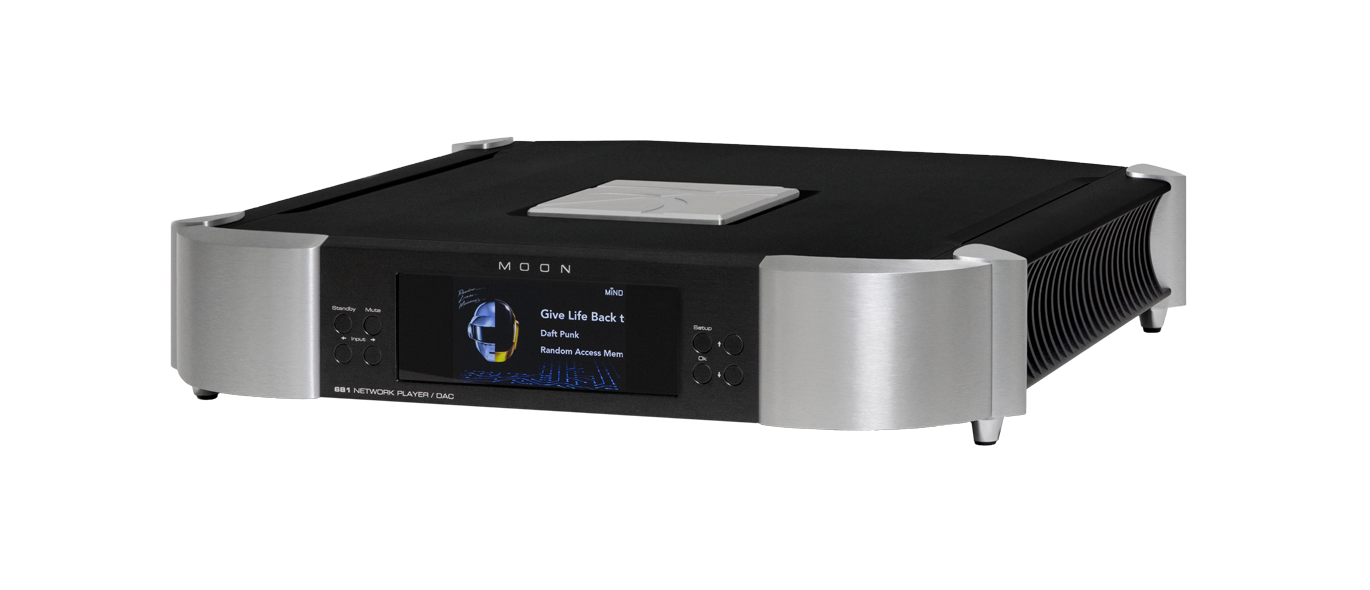

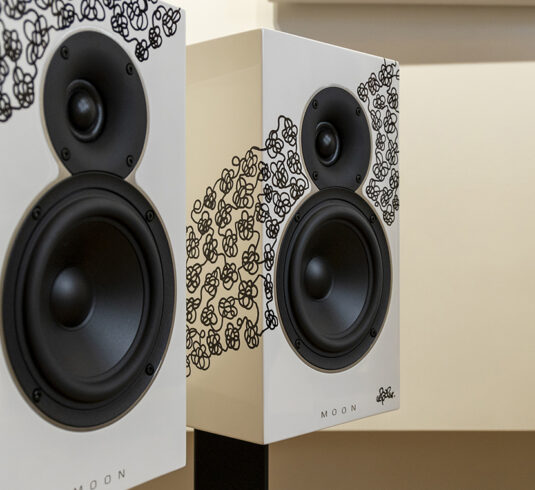
collaboration with
renowned local artist LeBicar !
MOON x LEBICAR
We are committed to partnering with local talents to develop all kinds of music and art related initiatives.
We would like to thank everyone who is participating in this exciting adventure which is not yet over!
What a beautiful celebration for the first anniversary of the MOON Voice 22!
Our products