
|
|
|
|
|
|
Regular TIER readers will recognize the name of this Canadian company, based in the Montreal area, from our past reviews of their products. Simaudio gained popularity and a reputation for quality with the introduction of the Celeste line of amplifiers, particularly the 4070 and 4150 models. Their quality/price ratio made them one of the genuine "steals" in high-end audio, as they competed with, and often exceeded, the performance of much higher-priced equipment.
However, in the crazy and often political world of high-end audio (retailing and marketing) that kind of record can put some noses out of joint. The next thing you know, folks in the business are liable to besmirch a products just distinction with faint praise; oh ya, they are pretty good amps for the money. Though it often happens, it is wrong to think that only the expensive high-enders are worthy of praise.
John Poulin, Simaudio's CEO, took such comments too heart and decided to design and build a more expensive product which offers upscale sound at a reasonable price - the Moon Series of components. The unit under review is one component which offers, in addition to better cosmetics and a higher price tag than the Celeste line, better quality parts, tighter quality control and innovative circuitry. So far, we have evaluated the Moon i-5 (an integrated amp), the W-5 and W-3, (power amps) and the company's higher priced two-part P-5 preamplifier. Now to the Moon P-3 preamp, which was intended to partner with the W-3 amplifier we reviewed in Vol. 11 #3.
Appearance & Features:
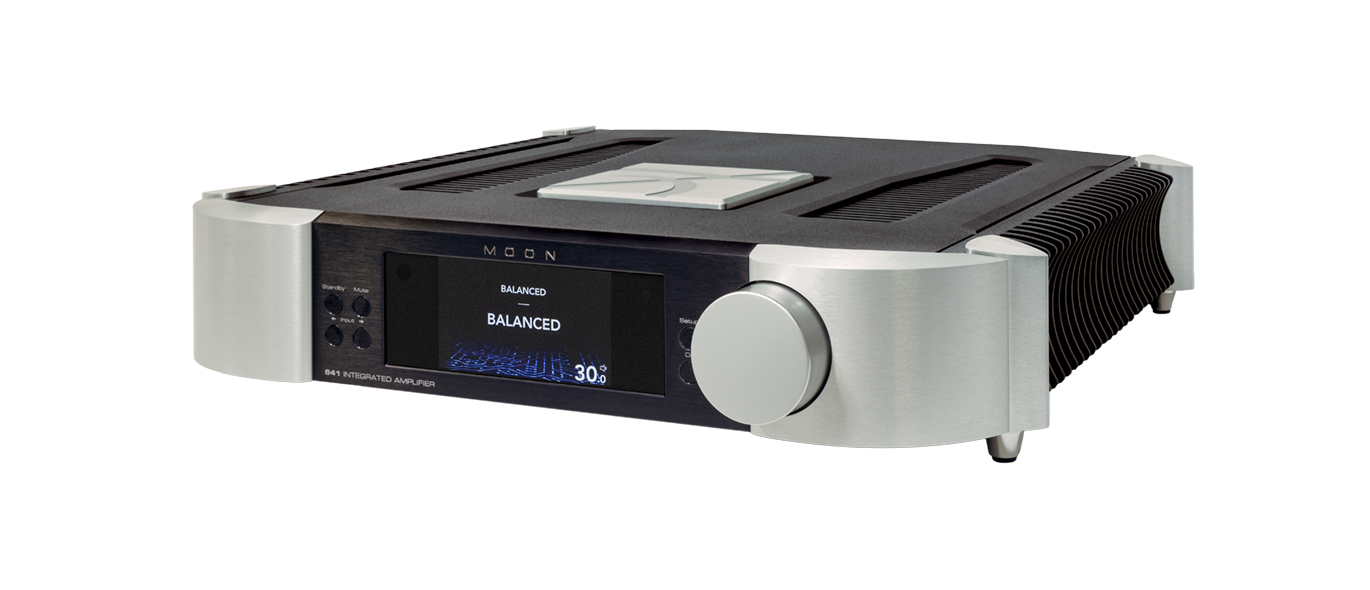
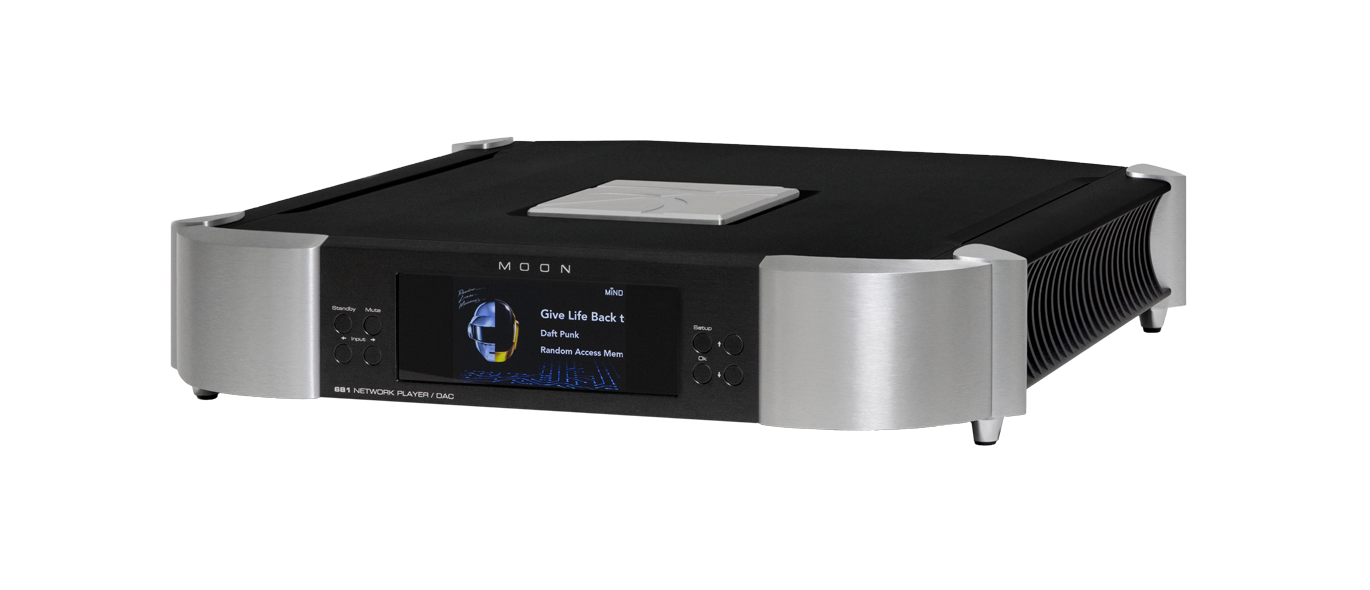
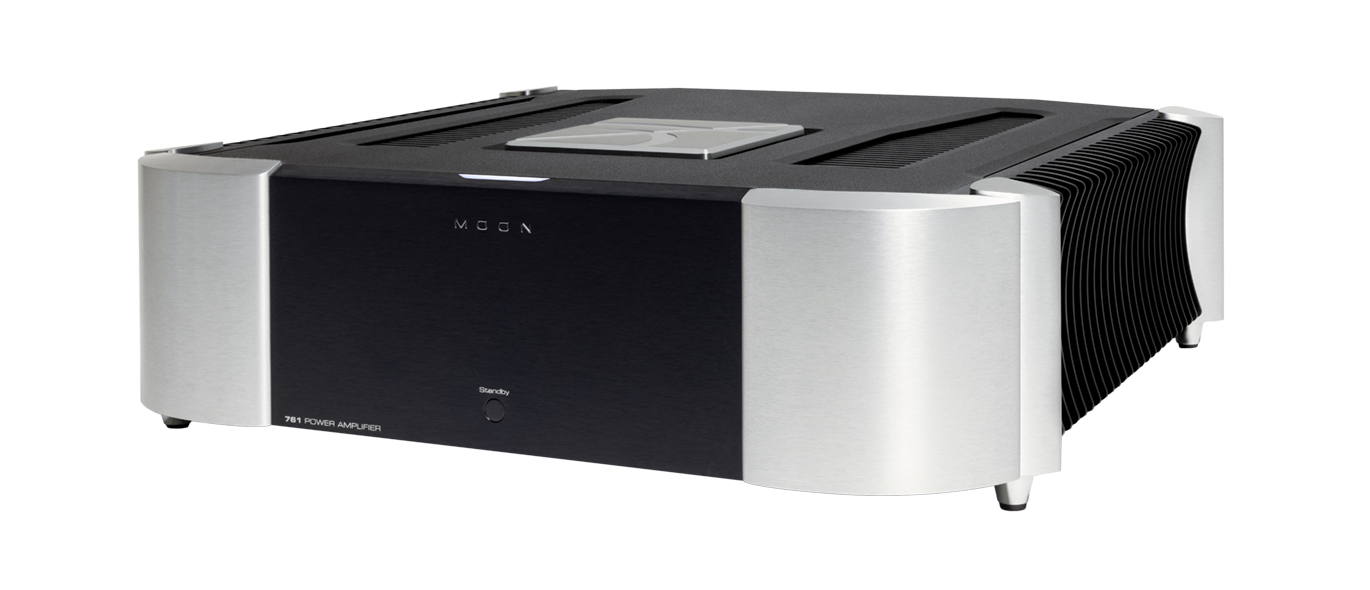
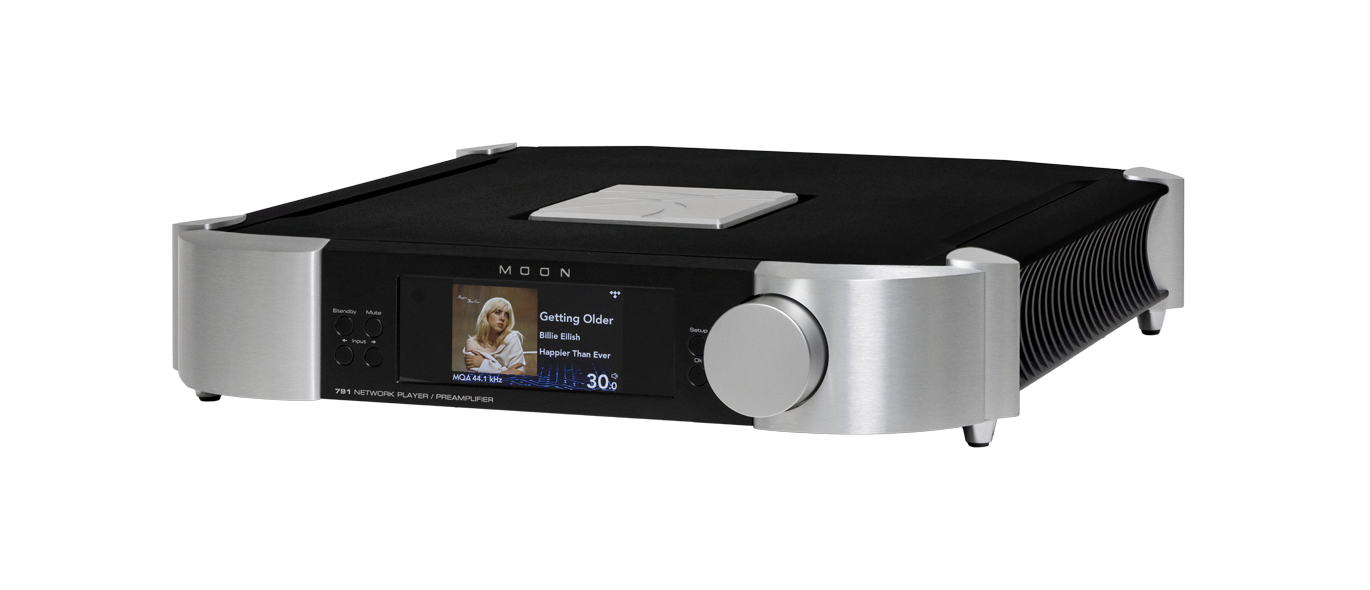
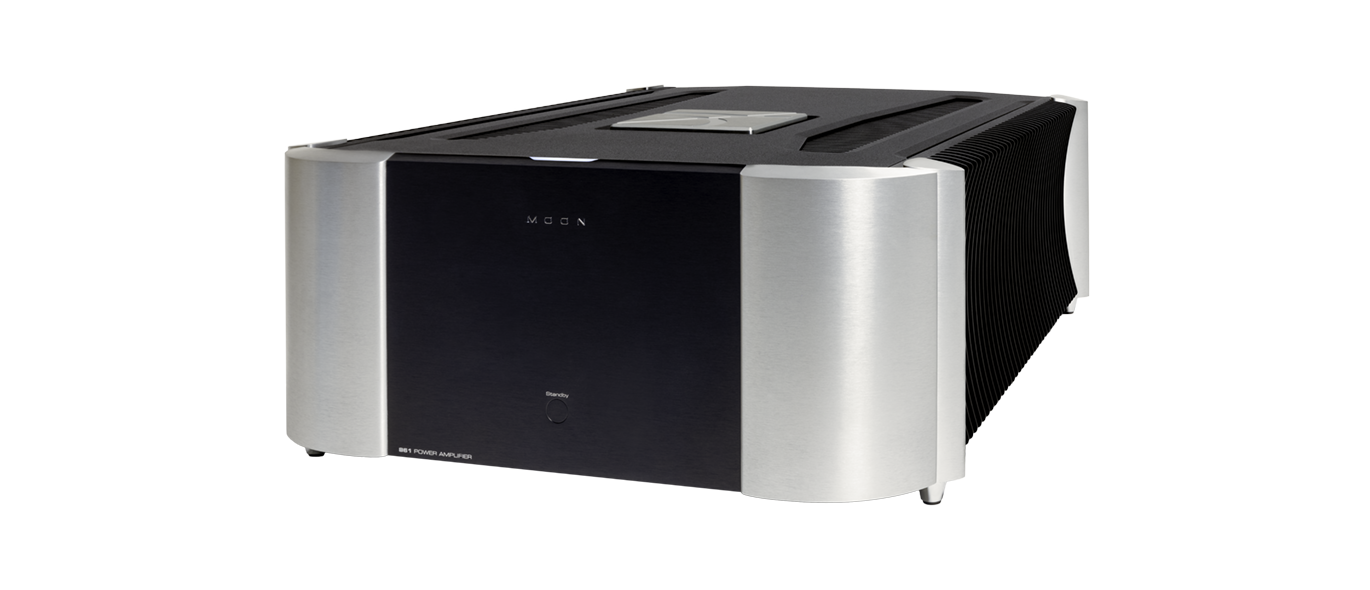
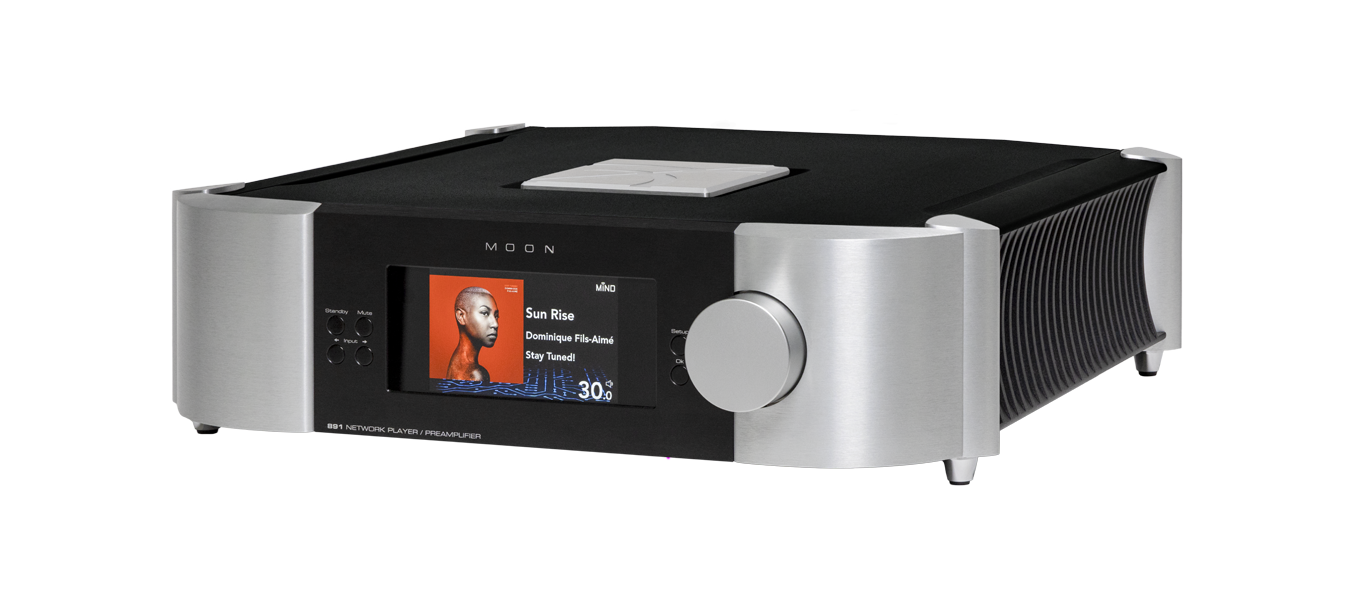
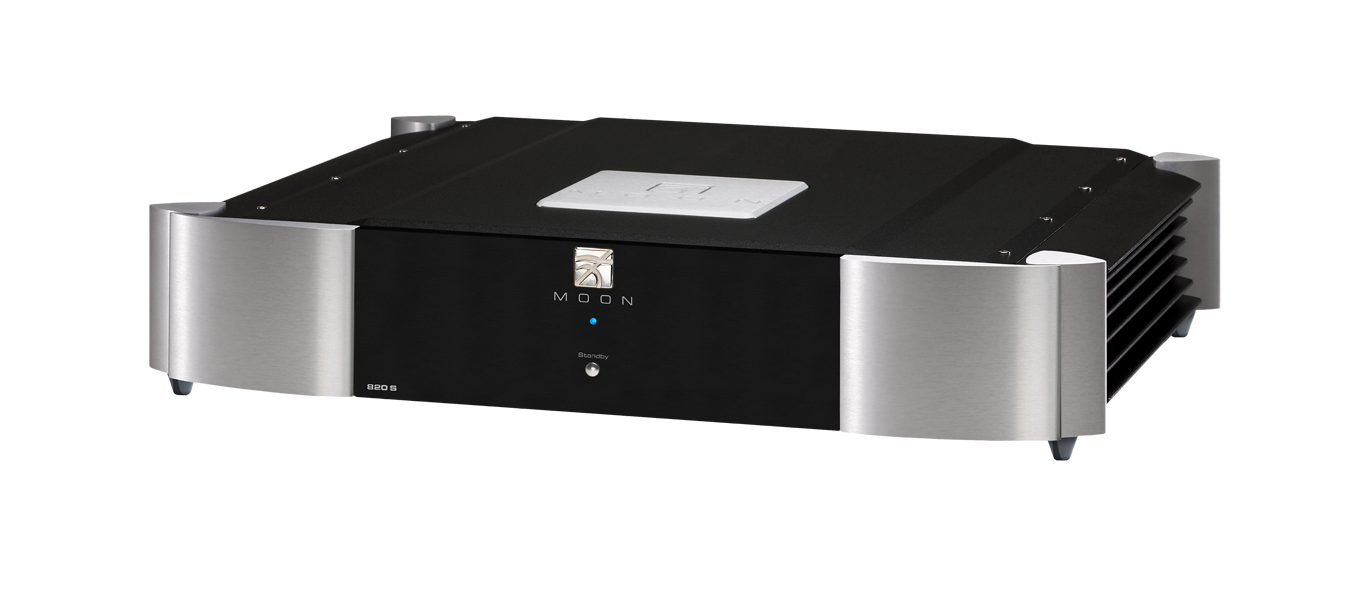
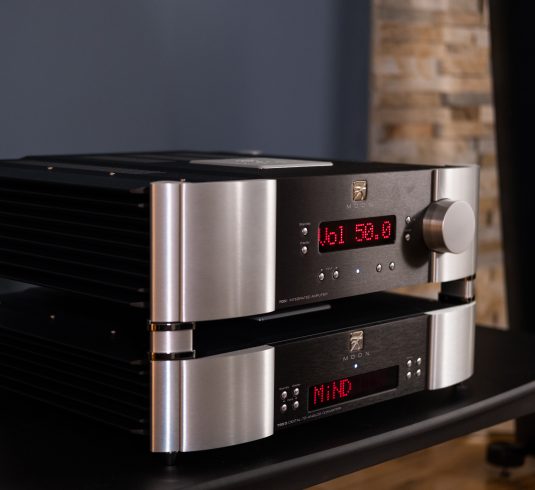
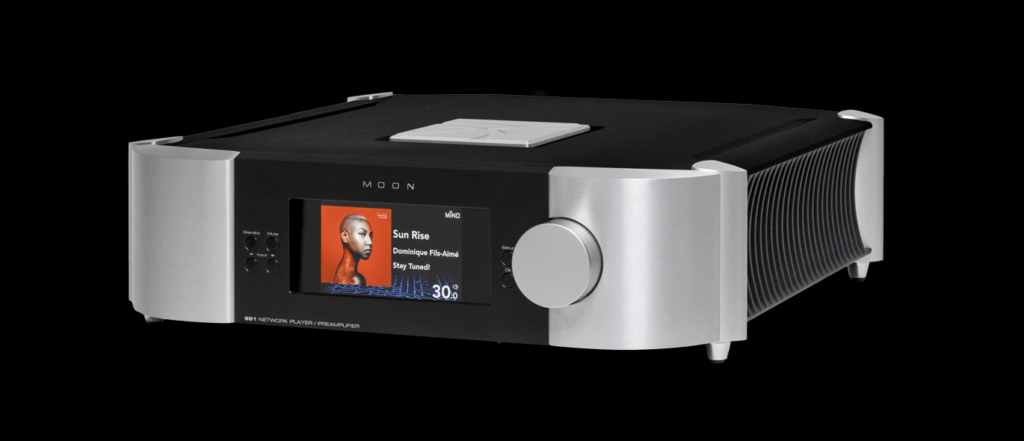
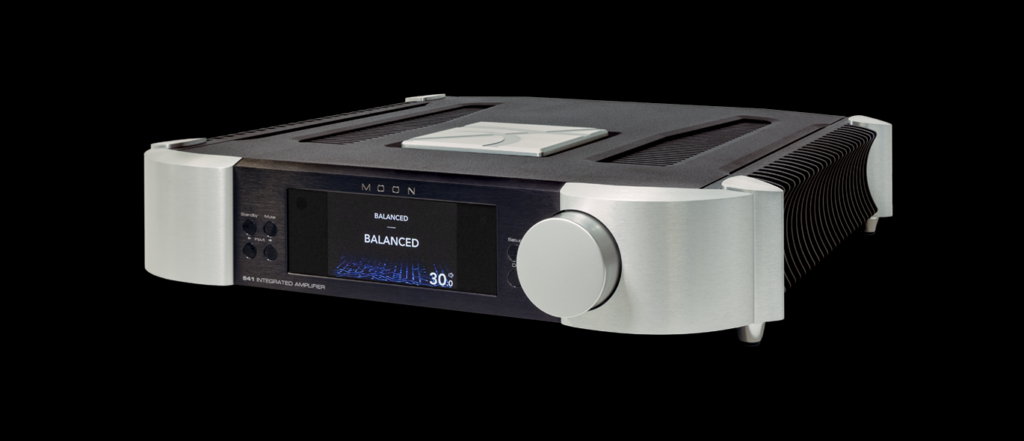
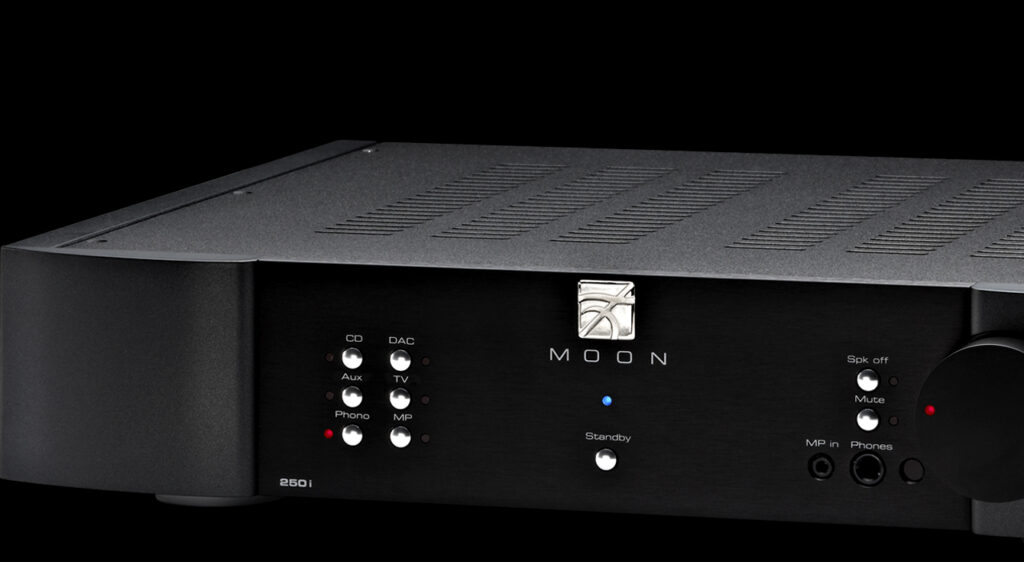
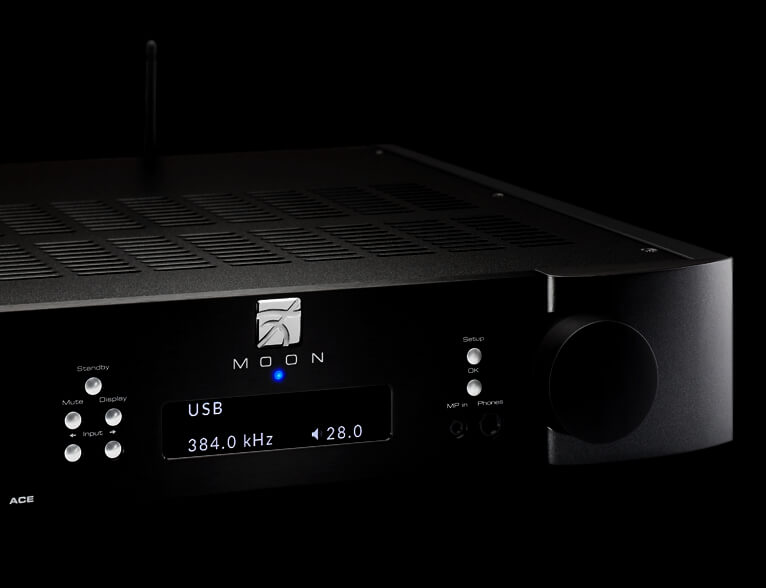
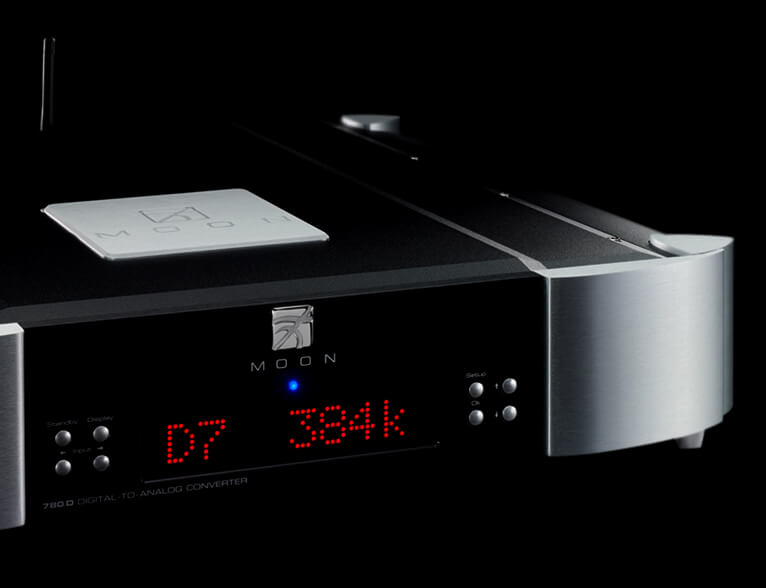
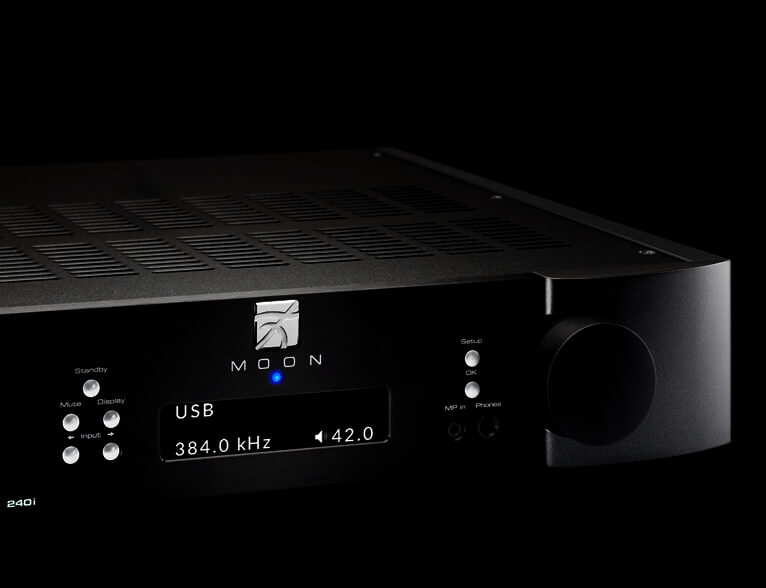
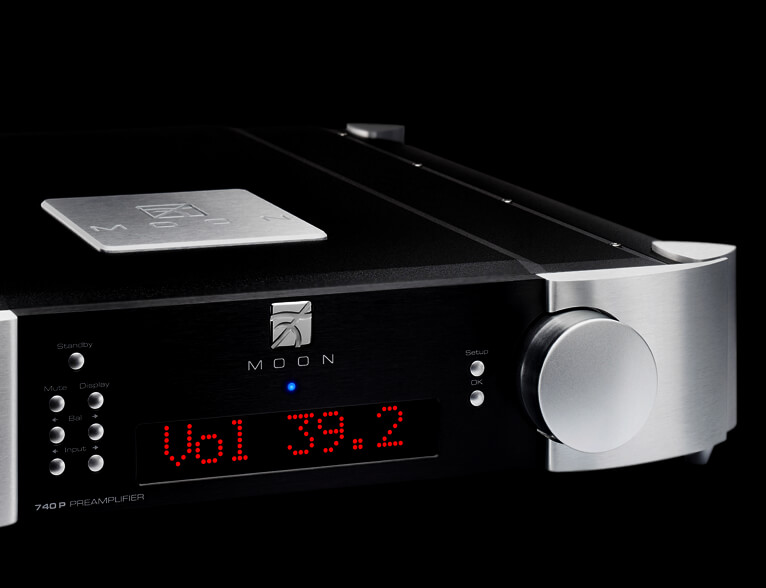
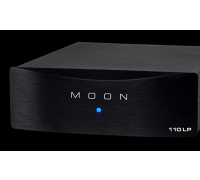
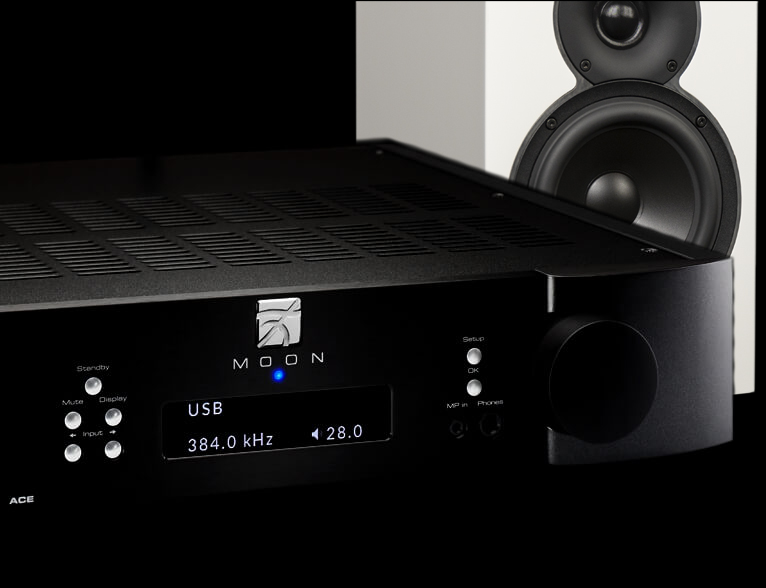
The P-3 offers the same elegant appearance as other components in the Moon series, featuring the thick, heavy, gray faceplate, with minimal controls and the gold Simaudio logo. A casual glance could cause one to mistake the P-3 for the i-5 integrated amp, the only differing element being the white P-3 lettering above the on/off switch. All other controls are labeled the same as those on the i-5.
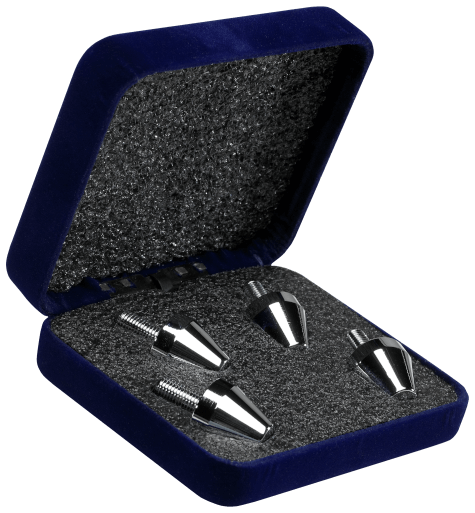
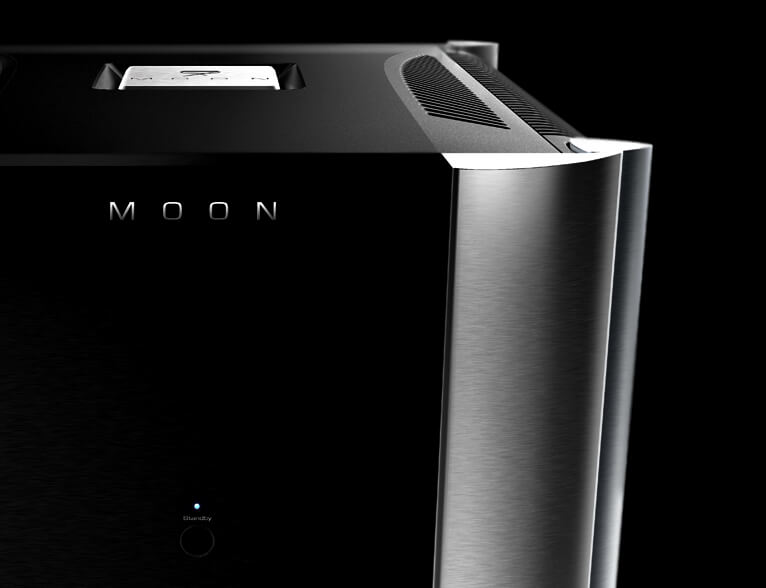
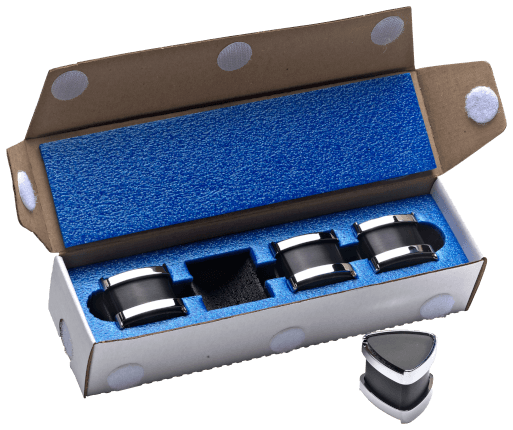
Behind that rectangular faceplate, the traditional Celeste oval-shaped chassis with the horizontal fins along the sides confirms that electronics don't have to be black and look homely. As with all Moon series components, the chassis is supported by four cylindrically shaped pillars on gold cones with removable points. The points facilitate stacking on other Moon components via small dimples on the top of the pillars to accommodate the points.
The rear panel features a main power switch (a small button on the front panel is actually a Standby/On switch and a tiny blue light in the centre indicates when the unit is powered up) directly above the socket for the detachable power cord. The outputs for both unbalanced RCA and balanced XLR jacks are at the left and right sides. There are nine pairs of gold RCA input jacks, labeled CD, A1 to A7 and Tape Out. A3 is the Tape In and A4, also labeled HTP, is an input for a home theatre processor. This input by-passes the volume control of the P-3 and must be approached with caution as you could give your ears, and speakers a real jolt if you plug in the wrong kind of component!
There is a headphone output jack, labeled with two words "Depress Mute." By depressing and holding the Mute switch on the front panel for three seconds, you cancel the signal to the amp and activate the headphone output. The same procedure reverses the process. A tap of the mute button on the panel or the remote unit attenuates the volume by about 90% in both headphone and normal modes.
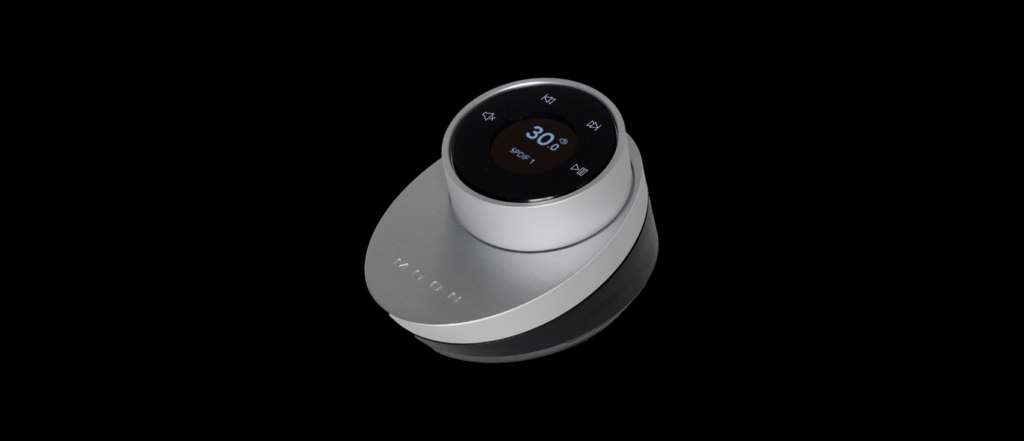
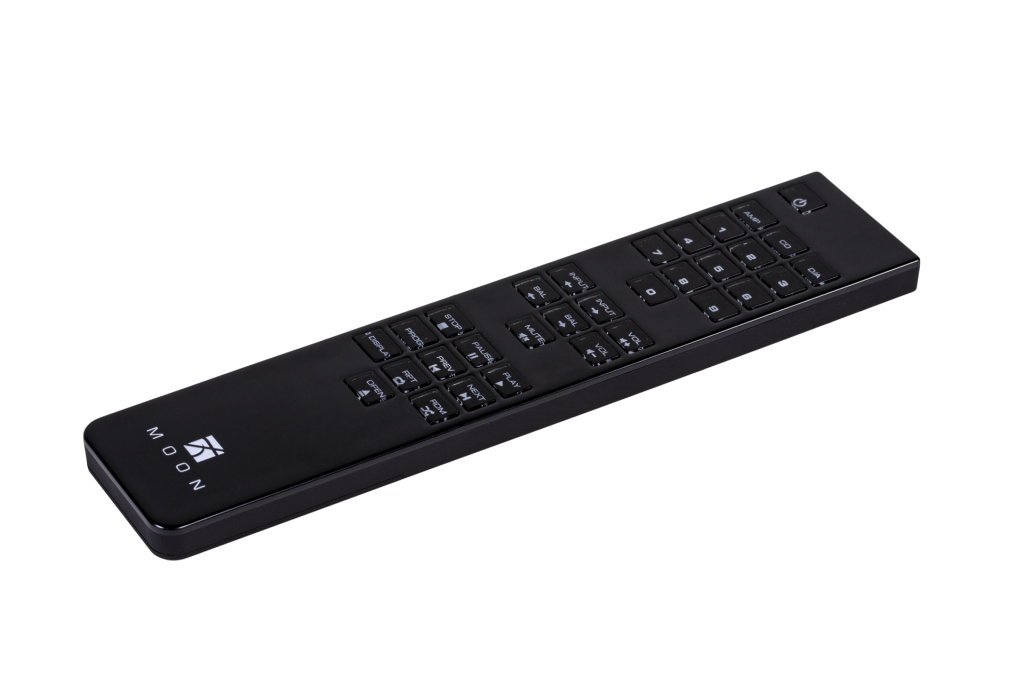
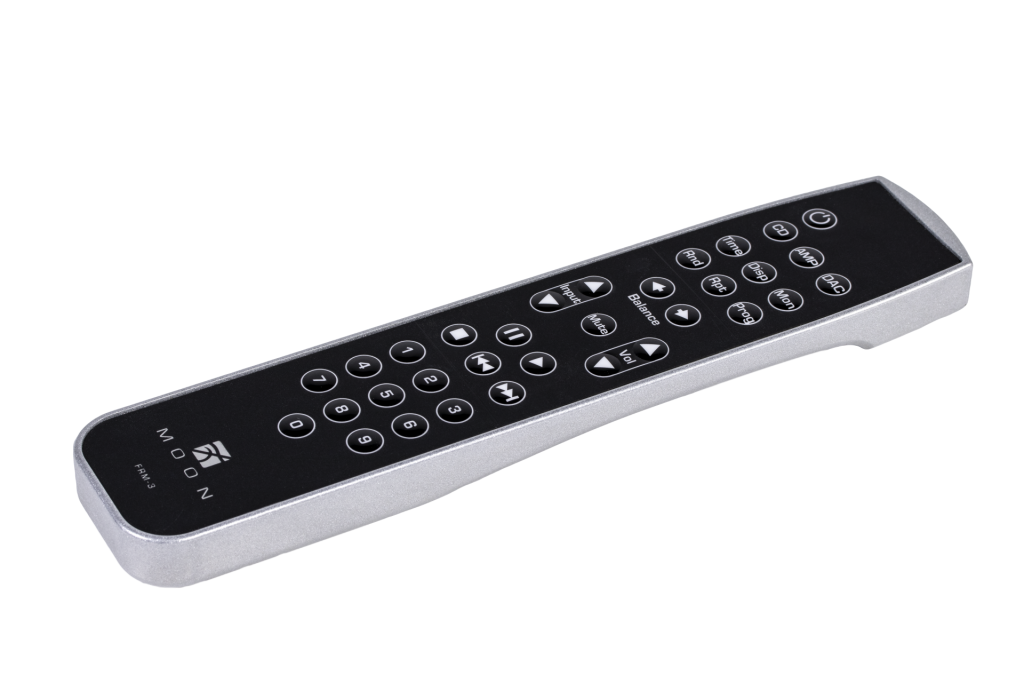
The supplied remote control unit is substantial both in form and function. The heavy, mostly metal body has the same finned design as the amps. It's 9-1/2 inches long and sports four tiny rubber feet. Commonly used buttons are placed in the centre area and allow access to almost all functions of the P-3; only the display has to be turned on or off with a button on the front panel of the component itself, though the display lights up briefly when any changes are made with the remote. The unit defaults to the previously set volume level after any adjustments. The volume display shows the level in both channels, so when you depress the right balance button on the remote, the volume is decreased in the left channel and vice versa.
Technology:
Unlike all other Moon components, Simaudio didn't use their "Advanced Renaissance" technology, that employs no overall feedback. Rather, the P-3 offers limited feedback to lower the unit's noise floor. However, the circuitry still results in a very "fast" component that is well equipped to react to and reproduce the ever changing musical signals presented by the source component. Circuit highlights include a very short signal path and minimal parts in the signal path, to ensure minimum interference and to maximize signal integrity. Top quality electrical components and a custom-made power supply are utilized. Noteworthy here is the Noble volume control module, said to provide better quality sound by preventing the injection of noise into the musical signal - a common predicament in cheaper remote controlled motor and chip designs.
A white paper is posted on their website: www.simaudio.com Simaudio also backs their quality design with a ten year warranty on parts and labour, to the original owner.
The Sound:
It should be noted that one of the first things we noticed after placing the P-3 in a system, is that this is a very quiet preamp. The system was made up of a Celeste 4070 SE power amp, Gershman Avant Garde speakers, Monster M-Series 2.4 speaker cables, Nordost Quattro Fil interconnects and an Anthem CD1 player.

With the volume control wide open and no input signal, one can hardly hear the power hiss. However, when a signal is present, the unit delivers only the music. The unit's quiet operation is likely responsible for its ability to reproduce exceptional detail and a splendidly refined musical presentation. The P-3 doesn't seem to stand in the way of, or obstruct the musical signal, thus delivering a candid sound, coming close to the ideal preamp - a wire with gain.

One of our panelists has been living with Celeste components for quite some time and replaced the (Celeste) preamp with the Moon P-3 in his system. His comments were that he experienced a "quantum leap" in performance at all levels. Improvements included better clarity across the frequency spectrum, enriched timbre, outstanding inner detail, staging and imaging.
In another test, we paired the P-3 with the Parasound HCA-3500, a 350 watt monster we reviewed in Vol. 11 #4 and Gershman Avant Garde = loudspeakers. This set-up truly amazed our panelists, as this = combination resulted in an avant garde performance (pardon the pun).
One of our panelist attended last year's CES in Toronto where he checked out many exhibits - some equipped with marvelous equipment that rendered excellent performance, some with mix and match systems and some with outrageously expensive components. When he brought his auditioning material to the Moon/Gershman display, this seasoned audiophile was a bit shocked as this relatively inexpensive system, certainly less expensive than most he had listened to, sounded better. This proves TIER's conviction that finding synergistic components for a system is very important. It's worth your time to experiment with different components in an effort to find that synergy, the match that will provide you with extended musical satisfaction. The P-3 should work with a lot of systems out there, but for Celeste owners, it's a "no brainer"!
Synopsis and Commentary:
The Moon P-3 offers both high-end performance and some comfort features not often found in truly high-end gear, including a headphone output, a remote control and a bypass for the home theatre processor (an item ill-regarded by audio-only disciples in and out of the electronics industry). The Moon seems to have hit the right blend by balancing art, design and performance. Simaudio has produced a component of exceptional quality, one which easily competes not only at its price level, but at any price level. For you Celeste owners out there who are thinking of an upgrade, if you can't afford both a Moon amp and preamp together, the preamp would be the best place to start. That's the P-3 first (for the half-moon treatment) and then the W-3 (for the full moon).
Though a bit harder sounding and not as smooth across the frequency band as the flagship preamp, the P-3 is a winner and a great option for those who do not wish to spend the extra $1500, or so for the P-5. If your budget puts you in or near the price of the P-3, this preamp should be on your short list. It will provide you with much musical satisfaction and will put anxiety to rest. You know what they say: a good sound system relaxes and almost forces one to close the eyes and drift away with the music.